

;)


Workplace Safety Best Practices in Metal Fabrication
Metal fabrication environments include complex processes, high temperatures, sharp materials, and heavy machinery. Such factors make workplace safety an important priority for fabrication services of every size. Solid safety practices help companies meet operational and regulatory standards, support productivity, reduce downtime, and protect workers.
The Importance of Safety in Metal Fabrication Facilities
Metal fabrication operations expose workers to environmental, mechanical, and physical hazards every day. The risk of operational delays, equipment damage, and injuries increases without structured safety practices. Proactive safety practices help companies to protect their reputation and workforce while maintaining consistent results.
Common Hazards in Metal Fabrication
Hazards concerns also include mechanical and physical risks because it involves machining, bending, welding, and cutting processes that might cause serious injuries if controls are lacking. Heavy materials and moving equipment add to the risk. Common hazards are:
- Shifting or falling components and metal sheets.
- Pinch points and rotating machinery.
- Burrs and sharp metal edges.
Process-Related & Environmental Hazards
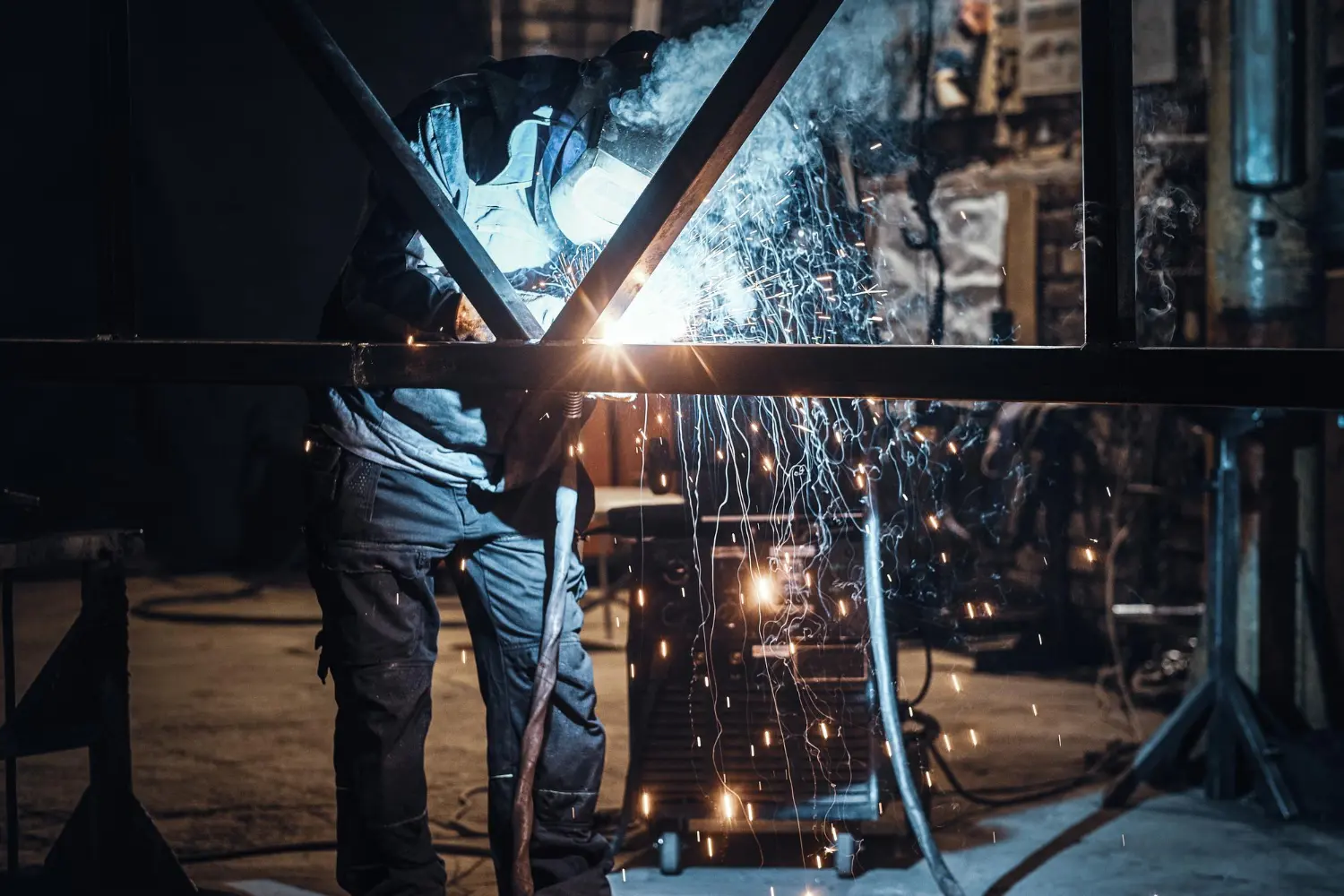
Noise, fumes, sparks, and heat are common elements in fabrication settings. Consistent exposure without good controls affects the worker’s long-term well-being and health. Risks might include:
- High temperature near welding and cutting zones.
- Excessive noise from machinery.
- Airborne particles and welding fumes.
Establishing a Solid Safety Management System
This requires safe procedures and clear safety policies because a structured safety framework provides workers with clear guidance on safe work practices. Documented procedures support consistent behavior and reduce ambiguity across shifts.
This further includes leadership commitment to safety because management involvement plays a major role in safety output. Employees then follow established procedures when leadership supports safety initiatives actively. Visible accountability and commitment build throughout the company.
Personal Protective Equipment as a Core Requirement
Those providing UAE metal fabrication services also have to select appropriate and protective gear. Personal protective equipment acts since it is the first line of defense against workplace hazards. Equipment selection must match the specific risks linked with every task. Common PPE used in metal fabrication are:
- Steel-toe footwear.
- Flame-resistant clothing.
- Protective eyewear.
- Face shields and safety helmets.
Giving PPE is not enough because workers also need training to use it correctly. It also requires regular inspection for damage. Damaged or worn equipment must be replaced instantly to maintain protection standards.
Machine Guarding & Equipment Safety
Businesses dealing in this market must ensure preventive maintenance and regular inspection as machines used in metal fabrication needs routine inspection to ensure safe operation. Preventive maintenance helps in identifying component failure, alignment issues, and wear at early stages. Maintenance schedules must be consistently followed and documented.
Machine guards safeguard workers from debris, sparks, and moving parts. Guards must never be bypassed or removed during operation. Key guarding practices are:
- Emergency stop buttons within easy reach.
- Interlocked guards that stop machines when opened.
- Fixed guards on bending and cutting machines.
Storage & Safe Handling of Materials
Fabrication companies have to manage sharp and heavy materials as improper handling of metal components and sheets leads to cuts, crush injuries, and strains. Materials handling procedures must focus on control and stability. Best practices are:
- Keeping walkways clear of obstructions.
- Securing stacked materials to prevent shifting.
- Using lifting equipment for heavy tools.
Organized Storage Systems
Clear and well-defined storage areas reduce accidental and clutter contact with sharp edges. Shelving and racks must be inspected regularly and rated for load capacity. Labeling storage zones improves safety and efficiency.
Skill Development & Training for Workers
Workers must be put through different comprehensive safety training programs. This is because training ensures that every employee understands proper operating procedures and hazards. New employees must be given orientation before starting work, whereas experienced workers can benefit from refresher sessions. Training topics must include:
- Emergency response actions.
- Hazard reporting and identification.
- Shutdown procedure and equipment operation.
Safety awareness should also be promoted from time-to-time. This includes safety briefings and regulatory toolbox talks to keep safety at the forefront of everyday operations. Open and smooth communication motivates employees to share improvement ideas and concerns.
Emergency Preparedness & Fire Prevention
Fabrication companies must be fully prepared for controlling fire and related risks. Since grinding, cutting, and welding create heat and sparks, it can ignite flammable materials. This is why fire prevention measures should be added into everyday operations. Key controls are:
- Maintaining fire extinguishers near every workstation.
- Using fire-resistant screens and barriers.
- Removing combustible materials from hot working areas.
Service providers should also have an emergency response plan. Clear emergency steps help employees to respond immediately during an incident. Emergency contacts, assembly points, and evacuation routes must be displayed clearly. Regular drills ensure that employees know every response action.
Air Quality & Ventilation Management
This is done to manage dust and fumes. Effective ventilation systems remove harmful particles and fumes from the workplace. Poor air quality affects long-term productivity and respiratory health. Local exhaust ventilation near cutting and welding stations enhance air circulation.
Monitoring Workplace Conditions
Air quality monitoring helps in guiding corrective actions and identifying exposure levels. Maintaining acceptable limits supports regulatory compliance and workers health.
Workplace safety in metal fabrication relies on leadership commitment, employee involvement, and consistent practices. By maintaining equipment and facilities, providing proper training, and addressing hazards allows fabrication companies to create a safe environment for their staff.
AWP’s Custom Metal Fabrication Service
At AWP, we provide custom metal fabrication services for a wide range of industries, including construction, oil & gas, automotive, and manufacturing. Our expert team delivers high-quality, cost-effective solutions tailored to your exact specifications. We offer a full suite of services, from custom and sheet metal fabrication to structural steel work and welding. Contact us today for a custom quote.