

;)


The Future of Wear-Resistant Materials in Industrial Applications in the UAE
Industries of all types across the UAE operate in harsh conditions defined by continuous production cycles, impact, abrasion, and heat. From manufacturing and logistics to mining and construction, equipment durability affects cost control and productivity directly.
Wear-resistant materials like Hardox® have become a strategic focus since industrial operators are interested in improved operational efficiency, reduced downtime, and longer service life.
The Growing Importance of Wear-Resistant Materials in the UAE
Wear-related damage is a leading cause of equipment failure in almost every industry. Frequent component replacement increases maintenance budgets and disrupts operations. Demand is rising for materials that can withstand aggressive working environments and also support long-term performance goals as industry activity expands in the UAE.
Key Industries That Drive Demand for Wear-Resistant Solutions
Aggregate Processing, Quarrying, & Mining
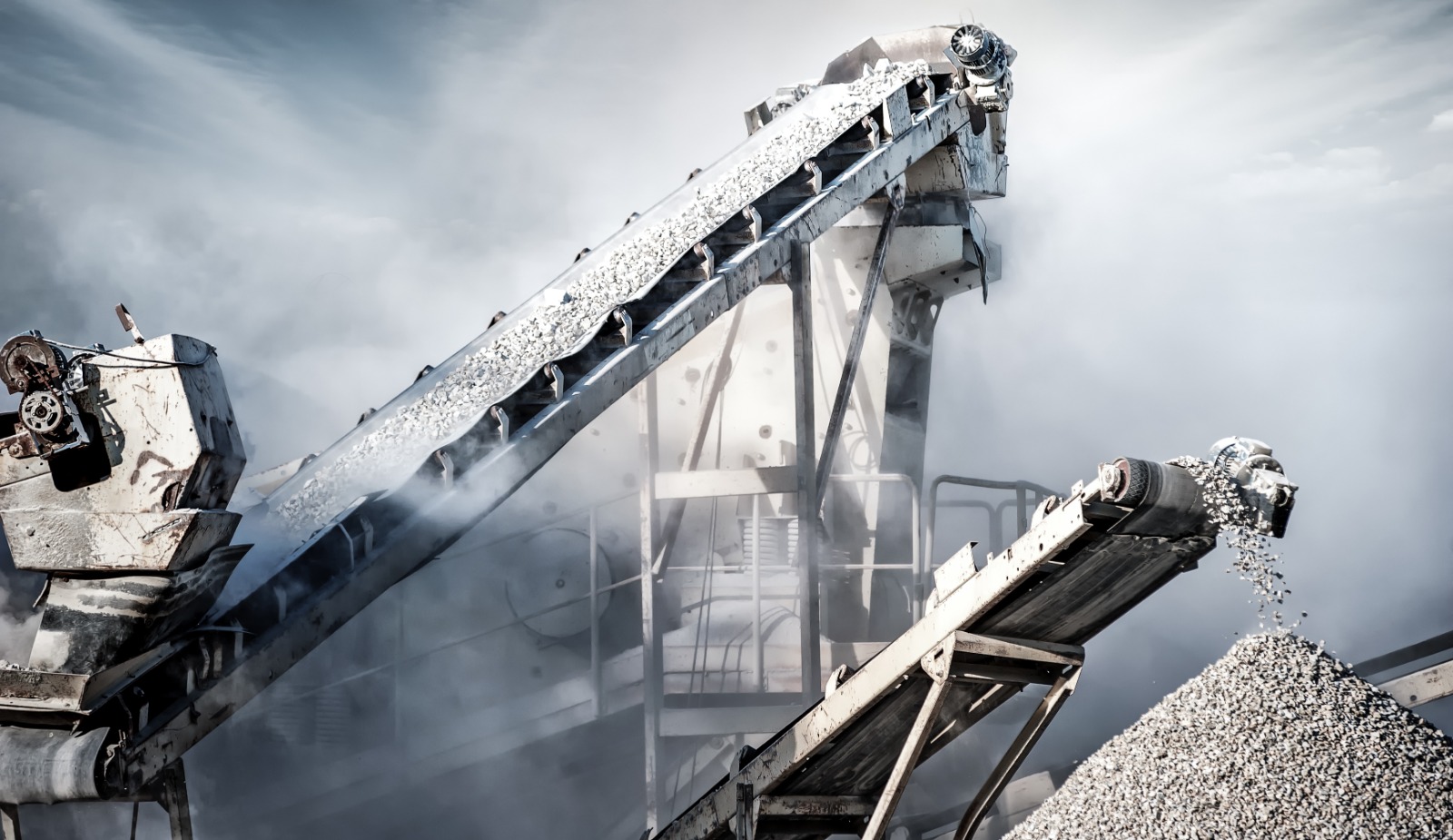
Material processing and quarries facilities depend on conveyors, screens, and crushers that operate under extress pressure and stress. Abrasive materials result in degradation of standard steel components. Using advanced wear-resistant materials improves production consistency and reduces unscheduled shutdowns.
Heavy Equipment, Transport, & Logistics
Material handling equipment, trailers, and tipper bodies experience continuous friction and impact. Durability and weight optimization are important for compliance and efficiency. High-strength wear-resistant steel maintains performance under load and supports lighter designs.
Advancements in Wear-Resistant Material Technology
High-strength wear-resistant steels have become necessary. These combine structural strength with hardness, which enables thinner designs without having to compromise on durability. Such materials perform well under abrasion and impact. Their adoption has now started to increase across processing equipment, transport, and fabrication.
Layered Materials & Composite
Composite solutions blend a hard wear layer with a tough base material. Such structure provides abrasion with resistance and retains impact tolerance with flexibility. Such materials are getting more attention for high-wear surfaces, chutes, and lines.
Surface Coatings & Treatments
Advanced coatings, hardfacing, and thermal spraying improves wear resistance without needing to replace all components. Such methods reduce material consumption and extend service life. Common surface enhancement methods are:
- Thermal spray coatings for wear protection and corrosion.
- Ceramic-based coatings for abrasion resistance.
- Hardfacing alloys applied to high-wear zones.
Role Design Optimization & Engineering
Instead of general use, wear-resistant solutions focus on materials based on operating conditions. Factors like temperature, abrasion type, and impact intensity impact material choice. Engineering staff plays an important part in aligning application demands and material performance. This requires precise lightweight design strategies.
Maintaining durability and reducing component weight improves equipment performance and fuel efficiency. Wear-resistant materials support higher strength with thinner designs. Such an approach is valuable for transport applications and mobile equipment.
Sustainability Impacting Material Development
In order to reduce material consumption, businesses now choose longer-lasting components that require fewer replacements, which lowers waste generation and raw material usage. This aligns with various sustainability objectives across UAE industries.
Expanded service life supports responsible management of resources. This leads to emission reduction and energy efficiency since wear-resistant and lighter components reduce energy consumption in machinery and transport operation. Lower fuel usage adds to reduced emissions in almost every industrial operation.
Smart Monitoring & Digitalization of Wear
The use of predictive maintenance technologies is becoming common. Monitoring systems and sensors track various wear patterns. Such data supports predictive maintenance strategies that reduce unexpected failures.
Monitoring tools combined with wear-resistant materials provide higher operational control. This further benefits with data-driven material performance evaluation because this helps engineers evaluate every material’s effectiveness under real operating conditions. The feedback curve contributes to continuous improvement in design and material selection. Digital insights are reshaping the future of engineering decisions and procurement.
Valuable & Customized Solutions
Industries require customized wear solutions for specific applications. Standard materials might not address operational hurdles. Application-specific alloys and tailor-fabricated wear parts are getting traction. Suppliers providing design support and technical consultation offer added value. Examples of tailored solutions are:
- Engineered components for extreme abrasion areas.
- Pre-fabricated wear plates for fast installation.
- Application-specific liner systems.
This requires integration with local fabrication capabilities. Collaboration among UAE-based fabricators and material suppliers supports localized solutions and faster delivery. This enhances project flexibility and reduces lead times. Local processing capabilities solidifies supply reliability.
Supply Chain Trends Influencing Wear-Resistant Materials
Availability and regional sourcing is crucial. This is because industries are nourishing relationships with regional suppliers to reduce the reliance on distant supply chains. Improved availability supports operational continuity and maintenance planning. Regional sourcing provides cost and logistical benefits as well. This is where certification focus and quality assurance has also picked up demand. Purchasers want consistent quality supported by testing data and certifications. Compliance and traceability along with international standards impact buying decisions. Suppliers meeting such expectations benefit with long-term partnerships and trust.
Wear-resistant materials are vital to supporting the UAE’s industrial growth. At AWP, we offer a wide range of wear-resistant solutions, including Hardox®, Strenx®, and Duroxite®, designed for both commercial and industrial sectors. These advanced wear-resistant materials, along with innovations in coatings, composites, and steel technology, enhance reliability and equipment performance. By partnering with AWP for advanced wear solutions and engineering expertise, industries can achieve cost control and improved operational efficiency. Get in touch with us today!