

;)


How UAE Companies Improve Equipment Efficiency With Wear Parts
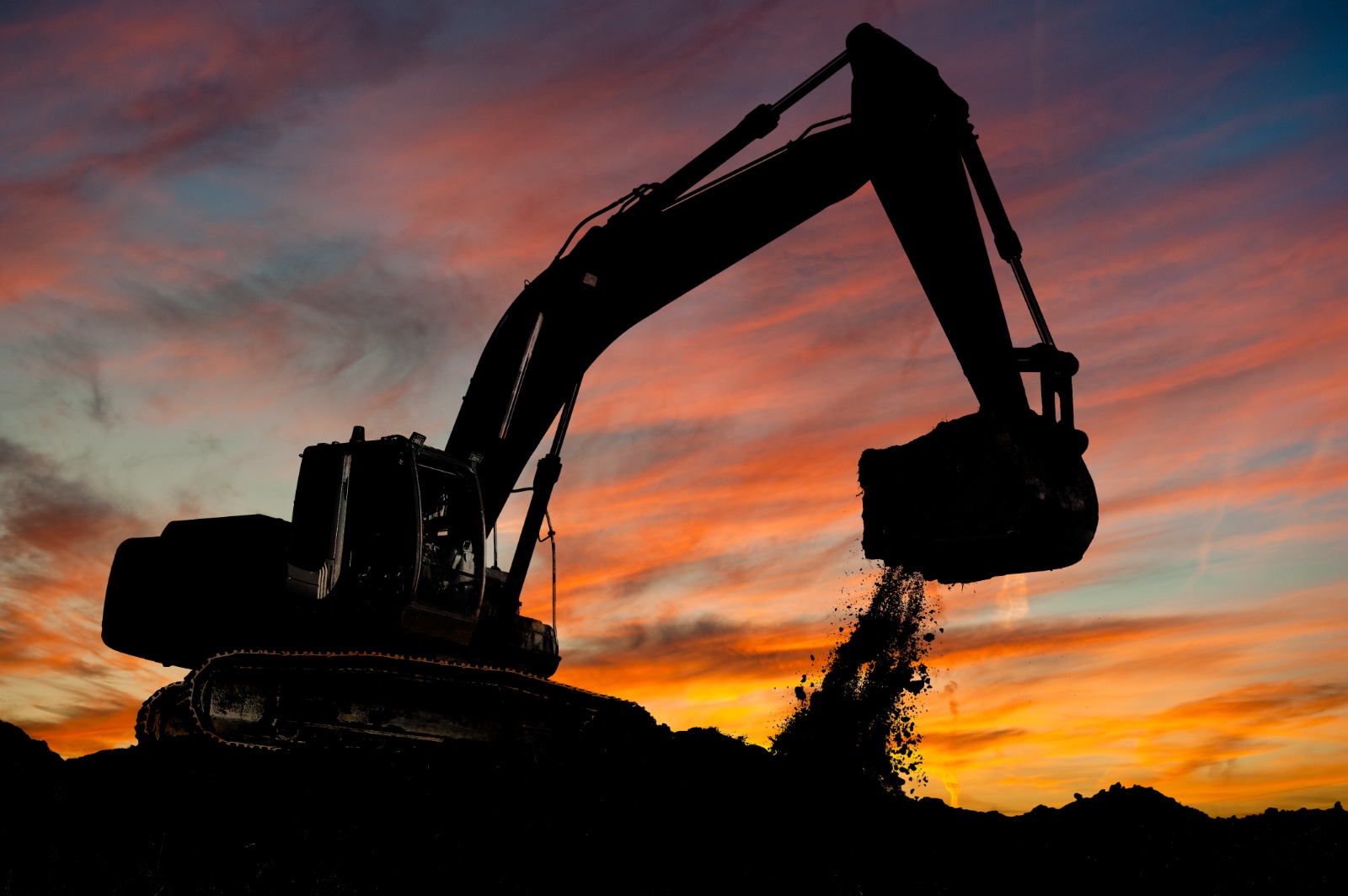
Walk through any active quarry, recycling facility, or construction site in the UAE, and you’ll notice one thing immediately, the machines never stop. Crushers, conveyors, excavators, and mixing drums run around the clock, grinding, hauling, and processing some of the harshest materials on earth. In this kind of environment, equipment wear isn’t a matter of if, but when.
That’s exactly why forward-thinking UAE companies have shifted their focus from reactive repairs to proactive wear part strategies. The difference it makes to operational efficiency is significant, and the businesses seeing the biggest gains are those treating wear parts not as consumables, but as engineering decisions.
Why Wear Parts Matter More Than Most Realize
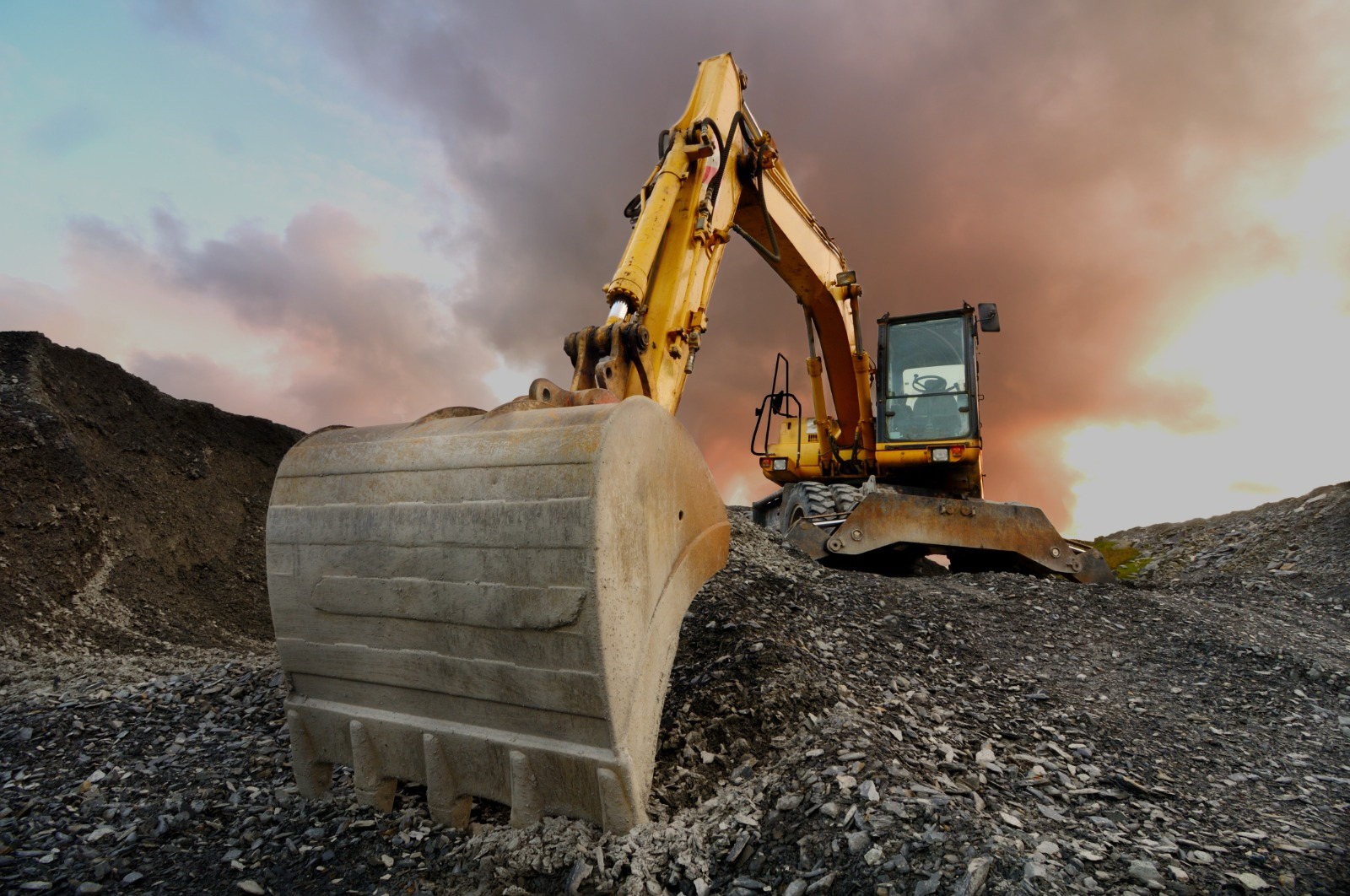
Every machine has components that take the most damage during operation – bucket teeth, cutting edges, liner plates, hammers and chute liners. These parts are in constant contact with abrasive materials and their condition directly affects how well the entire machine performs.
When a wear part degrades past its optimal point, the machine has to work harder to achieve the same output. Fuel consumption rises. Cycle times slow down. Operators compensate with adjustments that put strain on surrounding components. Before long, what started as a worn liner plate turns into a unplanned downtime and expensive secondary repairs.
The math is simple: replacing a wear part at the right time costs far less than a full equipment breakdown. More importantly, it keeps production running smoothly — a critical factor in a market where project deadlines are strict.
Choosing the Right Material Makes All the Difference
Not all wear parts are created equal. The grade of steel, the hardness rating and the manufacturing precision all determine how long a part lasts and how it performs under load.
High-performance wear-resistant steels, such as Hardox®, have become the benchmark for heavy-duty applications across the UAE’s industrial sectors. These materials are engineered to absorb impact without cracking, resist abrasion without excessive weight gain, and maintain dimensional integrity through extreme operating conditions. A bucket liner made from standard steel might need replacement every few months. The same component in a premium wear-resistant grade can outlast it several times over.
This is where metal fabrication quality plays a decisive role. A part manufactured with correct tolerances, clean cuts and proper welds will seat correctly, distribute load evenly and wear predictably. Poor fabrication, on the other hand, creates stress points that accelerate failure regardless of the base material.
Sectors Where UAE Companies Are Seeing Real Gains
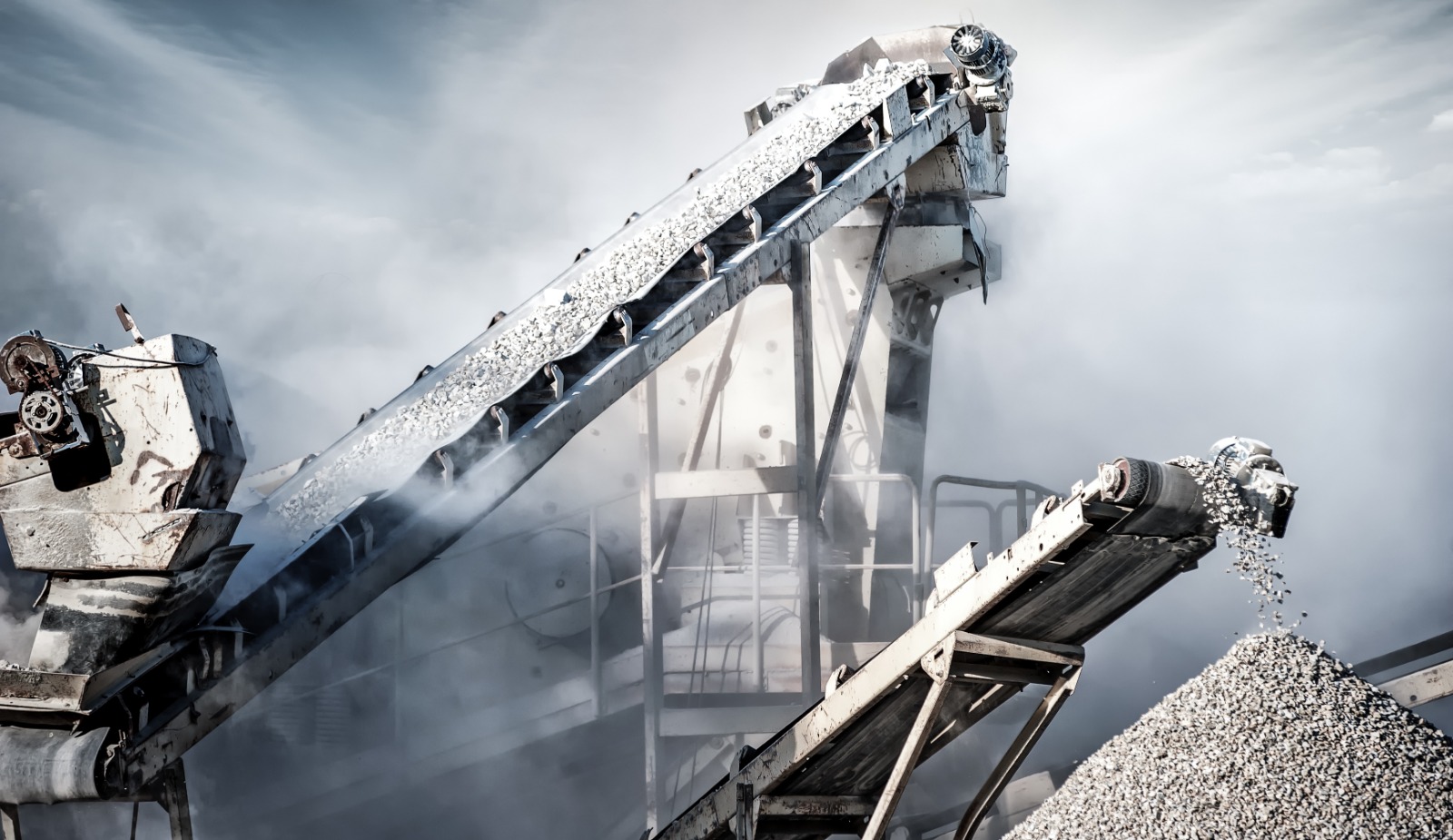
Quarrying and cement operations were among the first industries in the UAE to adopt systematic wear part management and the results have been well-documented. Jaw crushers, cone crushers and vibrating screens all have direct contact points that wear rapidly in aggregate processing. Companies using correctly specified liner plates and jaw dies have reported measurable reductions in downtime and significant improvements in product consistency.
The recycling industry tells a similar story. Shredder hammers, side liners, and anvils take enormous abuse when processing scrap metal, tyres, and demolition waste. Upgrading to harder, tougher wear parts in these applications often improves throughput because the machine maintains its geometry and cutting efficiency for longer.
Road building and materials processing sectors are also benefiting. Asphalt mixing equipment, milling machines, and conveyor systems operating in the UAE’s extreme heat require components that can handle both thermal stress and mechanical wear simultaneously. The right wear part specification accounts for both.
A Smarter Maintenance Culture
What separates high-performing companies in the UAE from the rest is how they manage them. The most efficient operations maintain inspection schedules, track wear rates on individual components and work with suppliers who understand their specific applications.
This approach turns maintenance from guesswork into planning. When a chute liner is known to last around 1,200 operating hours, companies can:
- Plan replacements in advance
- Order parts with proper lead time
- Schedule shutdowns instead of emergency stops
It also opens the door to continuous improvement. If a part is failing faster than expected, there’s usually a reason like a change in material hardness, an alignment issue, or an opportunity to upgrade the specification. Tracking this kind of information turns every wear cycle into a performance improvement opportunity.
The bottom line is simple: in the UAE’s demanding industrial landscape, equipment efficiency isn’t achieved by running machines harder. It’s achieved by running them smarter and wear parts are a central part of that equation.
How AWP Supports Your Operations
At AWP, we are the official Hardox® Wearparts Centre in the UAE, and we specialise in custom metal fabrication.
Based in Sharjah’s Saif Zone, we support businesses across quarrying, recycling, construction, and materials processing by delivering precision-engineered wear parts using:
- Laser cutting
- Waterjet cutting
- CNC forming
- Advanced welding
No matter if you need a standard replacement or a fully engineered custom solution, our team has the expertise and technology to get it right. Get in touch with us at sales@awp.ae or call +971 549 941 518.